

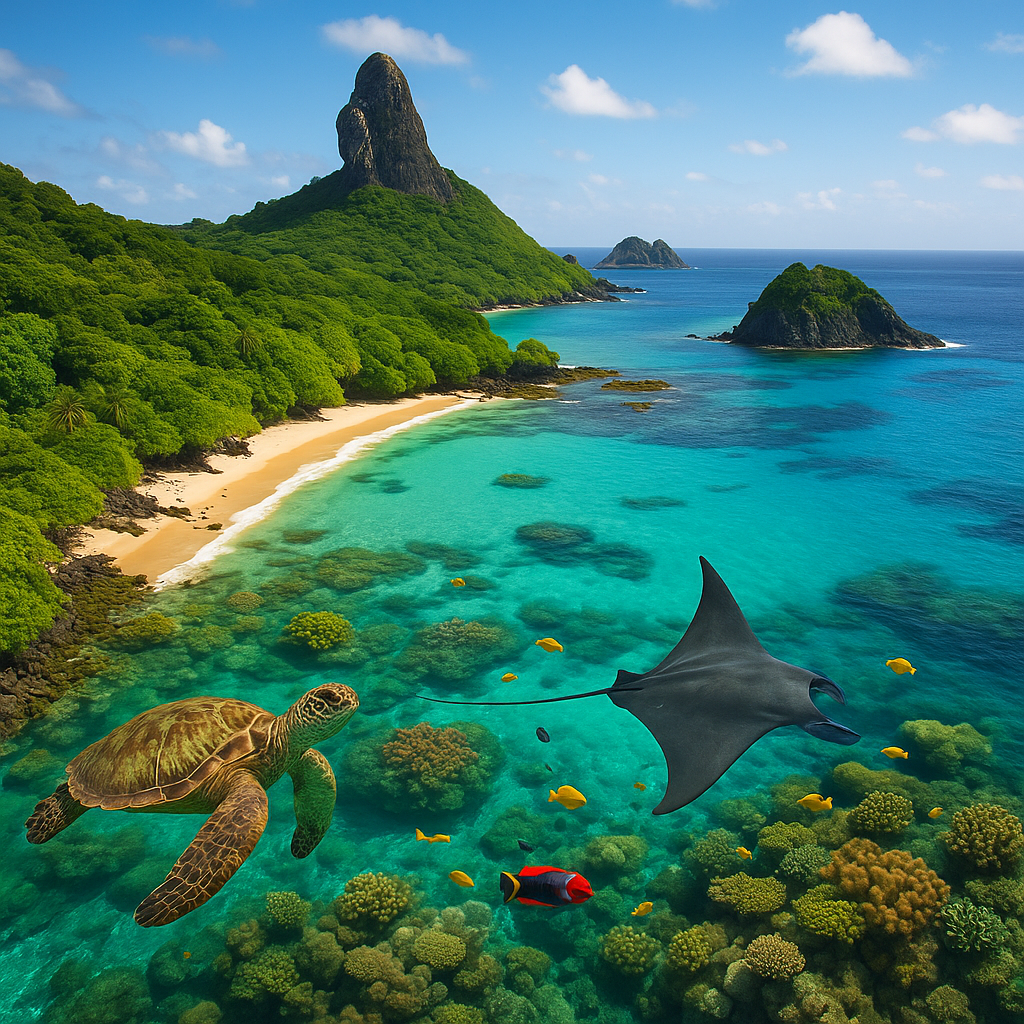
Nestled off the northeastern coast of Brazil, the archipelago of Fernando de Noronha emerges not just as a breathtaking sanctuary but as a beacon of effective biodiversity conservation. Beyond its postcard-perfect landscapes, this UNESCO World Heritage site is a living testament to Brazil’s steadfast commitment to preserving nature’s diversity. While many places boast biodiversity, few match Noronha’s genuine success in maintaining it.
- Introduction to Fernando de Noronha
- Why Biodiversity Matters
- Conservation Initiatives in Noronha
- How Visitors Can Help
- Frequently Asked Questions
- Conclusion
Rediscovering Fernando de Noronha
Enveloping visitors in its verdant grasp, Fernando de Noronha is more than a mere travel destination; it’s an ecological laboratory. Its remoteness has protected it from the ravages of overdevelopment, allowing native species such as the Noronha Vireo and the island’s resident spinner dolphins to thrive. But what sets Noronha apart from other islands?
The Ecosystem’s Unique Composition
Its distinct ecosystems blend rainforests, rocky cliffs, and turquoise waters, each hosting their own set of creatures. The island’s topography—marked by lush vegetations underpinned by volcanic rock—creates microhabitats that further accentuate its ecological significance. Importantly, this coexistence of diverse life forms fortifies the archipelago against environmental challenges.
A Rich History, A Bright Future
Noronha’s journey as a conservation leader began decades ago, and today it stands as a model for marine conservation worldwide. The island wasn’t always picture-perfect. Historical overfishing and unmanaged tourism once threatened its core, yet strategic policy shifts have rewritten its narrative. How has Noronha managed this transformation?
A spearheading alliance of governmental bodies, NGOs, and local communities drives continuous research, monitors environmental health, and implements sustainable tourism practices.
The True Value of Biodiversity
Why all this fuss about biodiversity? It’s because biodiversity forms the backbone of ecological health, from our air quality to climate stability. Ecosystems, akin to biological dominoes, rely on this interconnected web—remove one species, and tremors could reverberate throughout the system.
Services Vital to Our Survival
Biodiversity ensures essential ecological services: pollination from insects, water purification by marine plants, and natural climate regulation, among others. Every species, however minute, plays a role, contributing to a resilient and balanced environment.
Beyond the Practical
Moreover, biodiversity holds intrinsic aesthetic and cultural value. Who can measure the spiritual rejuvenation one feels amidst a rich coral reef or dense rainforest canopy? In Noronha, these services become tangible, offering direct educational experiences and soulful inspiration.
Pioneering Protection: Initiatives in Noronha
Underpinning Noronha’s ecological success are robust conservation strategies, each a testament to Brazil’s resolve. Here’s how they do it:
Network of Protected Areas
Over 70% of the archipelago is safeguarded as a national marine park. This designation limits commercial fishing and regulates tourism activities to minimize human impact. The results? A flourishing marine and terrestrial population, including sea turtles and migratory birds.
Scientific Research and Local Engagement
Scientific institutions conduct ongoing research to monitor ecosystem health, drawing actionable insights to maintain biodiversity. The island’s inhabitants, intrinsically tied to these efforts, participate through community-driven programs. These efforts amplify global conservation narratives.
- Use eco-certified services during your visit.
- Participate in local beach clean-ups.
- Attend informational sessions offered by community groups.
This collaboration underscores a universal truth: Conservation needs both innovation and inclusive participation.
Join the Movement: How Visitors Can Help
Your contribution matters, whether subtle or significant. As a responsible visitor, you hold the power to bolster Noronha’s conservation trajectory. Want to leave a positive mark? Here’s where to start:
Engage in Eco-Conscious Practices
Seek out eco-friendly tours showcasing the island’s breathtaking biospheres without leaving a negative footprint. Mindfully respect wildlife—keep interactions observational and unobtrusive. Such gestures speak volumes.
Support the Cause
Consider donating to or volunteering with local conservation initiatives. Many projects welcome short-term involvement from visitors, fostering educational exchanges that benefit all parties. Direct your travel expenditure towards businesses endorsed by environmental agencies.
Frequently Asked Questions
What makes Fernando de Noronha’s biodiversity so unique?
The archipelago features diverse ecosystems, each hosting endemic species found nowhere else. Its isolation and concerted conservation efforts have preserved these unique habitats.
How can tourists ensure they are supporting conservation efforts?
Engage with certified eco-tour operators, participate in local conservation activities, and respect all wildlife guidelines during your visit.
Are there opportunities for volunteering in Noronha’s conservation programs?
Yes, many organizations welcome volunteers to assist in research and educational campaigns, providing a rewarding way to contribute.
Why is biodiversity preservation critical on a global scale?
Preserving biodiversity enhances ecological resilience, secures resources essential for human survival, and maintains the planet’s environmental balance.
Our Collective Role in Preserving a Natural Wonder
Fernando de Noronha stands as a glowing paragon of how man and nature can coexist symbiotically. The steps laid before us not only illuminate a path for preserving Noronha but provide a replicable blueprint for global conservation efforts. Ensuring these natural treasures endure demands our shared diligence and enthusiasm. As stewards of the Earth, join the mission to cherish and protect Brazil’s ecological legacy, one mindful action at a time.