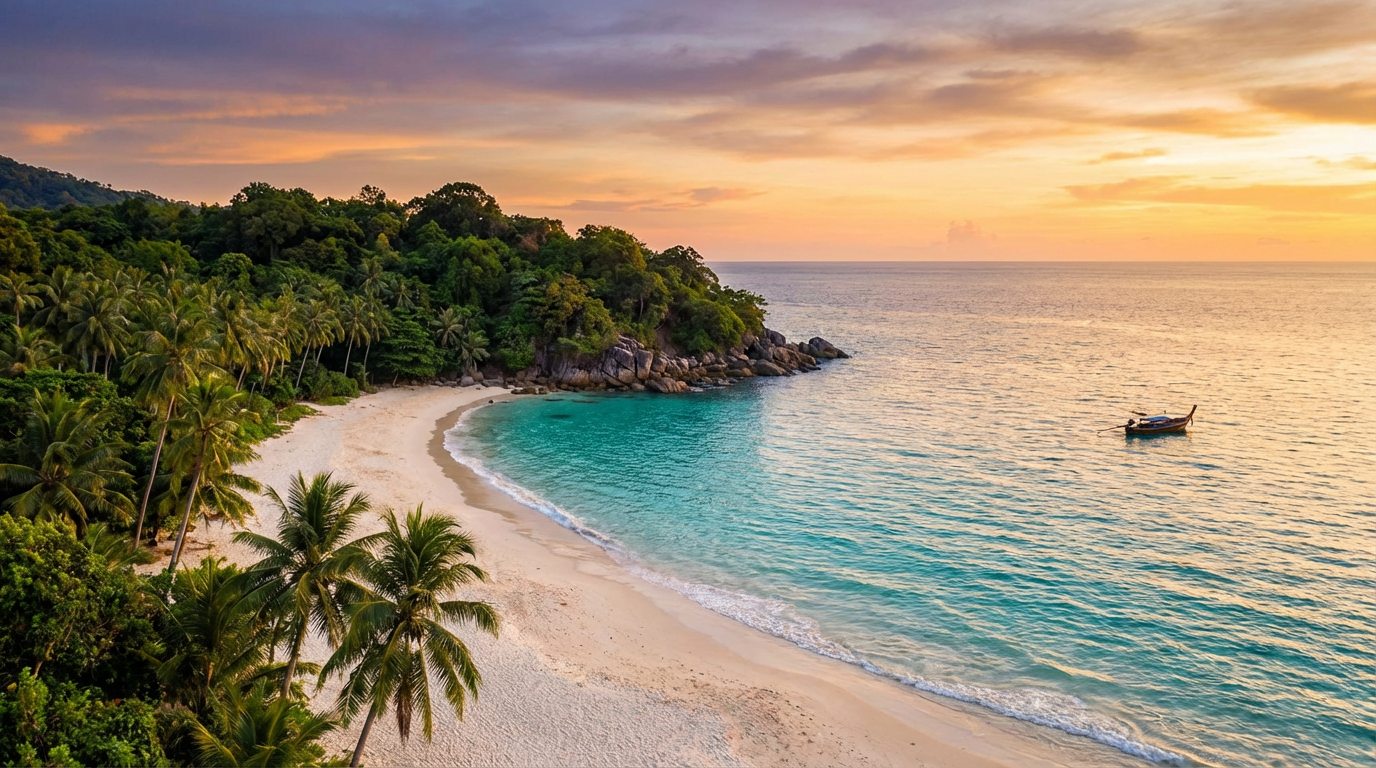
Discover the Best Hidden Gems in Southeast Asia for Backpackers
For backpackers seeking authentic experiences, Southeast Asia is a region full of untapped gems. This area offers affordable travel options, rich cultural experiences, and breathtaking natural beauty without breaking the bank. In this article, we’ll reveal some of the best-hidden destinations, share essential travel tips, and suggest affordable accommodations ideal for eco-conscious travelers.
- Why Southeast Asia is a Backpacker’s Paradise
- How to Get Around Economically
- Top Hidden Destinations to Explore
- Budget-Friendly Accommodations
- Essential Travel Tips for Eco-Tourists
- FAQs for Traveling Southeast Asia
Why Southeast Asia is a Backpacker’s Paradise
Southeast Asia combines scenic landscapes, ancient cultures, and affordable prices, making it a top pick for budget travelers. Countries like Thailand, Vietnam, and Indonesia are renowned for their hospitality, ensuring a friendly environment for foreigners. Backpackers will discover not only popular tourist spots but also hidden treasures few outsiders know, providing an exciting blend of adventure and cultural immersion.
One reason Southeast Asia stands out is its diverse eco-tourism opportunities. From lush jungles to vibrant reefs, the region is home to significant biodiversity. For those interested in sustainable travel, Southeast Asia provides numerous projects aimed at conserving their natural environments while benefiting local communities.
Take, for instance, the Gibbon Rehabilitation Project in Phuket, Thailand—a volunteer initiative that aims to rescue and rehabilitate these primates back to their natural habitats. It’s a perfect example of engaging in tourism that gives back to the environment.
How to Get Around Economically
Backpackers traveling on a budget will find the transportation network in Southeast Asia both economical and extensive. From public buses to high-speed trains and budget airlines, reaching remote locations is relatively painless.
Local Transport Choices
Most cities boast effective transport systems, such as Manila’s jeepneys or Hanoi’s motorcycle taxis. Renting scooters is another popular choice, especially for covering short distances at your pace. Be sure to have an international driver’s license, as it’s required in many countries.
Long-Distance Travel
For longer journeys, trains can offer a scenic route through rural landscapes. In Thailand, for instance, overnight trains are comfortable and budget-friendly, stretching from Bangkok to Chiang Mai. For an even cheaper alternative, long-distance buses operate extensively but prioritize patience as traffic can extend travel times.
For air travel, it’s best to book with low-cost carriers like AirAsia or VietJet, particularly if you’re planning to hop between countries. Deals can be competitive, especially when booked during promotions.
Top Hidden Destinations to Explore
Ninh Binh, Vietnam
Ninh Binh’s beauty is often overshadowed by Halong Bay, yet this hidden gem offers stunning landscapes renowned among eco-tourists. Known as the “Ha Long Bay on land,” expect lush paddies, limestone karsts, and tranquil rivers. Boat tours here are a serene alternative to the crowded waters of Ha Long Bay.
Siquijor, Philippines
Few have heard of Siquijor, yet it’s an enchanting island famed for its mystical mountain landscapes. Travelers can bask along unspoiled beaches, explore cascading waterfalls, and indulge in rural homestays. Siquijor is the epitome of getting off the beaten path, offering a deeper understanding of Filipino culture.
Cat Ba Island, Vietnam
While Ha Long Bay draws massive crowds, Cat Ba Island offers a quieter alternative. Hike through Cat Ba National Park for serene views or kayak in Lan Ha Bay, where karsts are equally majestic but without the throngs of tourists. Accommodations are plentiful and more affordable compared to mainland options.
Budget-Friendly Accommodations
Despite being a prize destination, Southeast Asia houses some of the best budget accommodations globally without compromising on comfort.
Hostels and Dormitories
- Hostels in Southeast Asia are not only cost-effective but offer a vibrant way to meet fellow travelers. Dormitory beds start at just a few dollars a night in places such as Laos and Cambodia.
Homestays
- Consider booking a homestay for an authentic cultural experience. Families in Vietnam’s Sapa region open their homes, providing cultural insights into day-to-day life. Meal-sharing options add a personal touch to your journey.
Budget Hotels
- The overabundance of budget hotels—like those in Yogyakarta, Indonesia—ensures there’s something for everyone. Prioritize reviews and ensure central locations to reduce transportation costs.
| Location | Type | Price Range |
|---|---|---|
| Bangkok, Thailand | Hostel | $6–$15/night |
| Hoi An, Vietnam | Homestay | $10–$20/night |
| Bali, Indonesia | Budget Hotel | $15–$30/night |
Essential Travel Tips for Eco-Tourists
When backpacking across Southeast Asia, mindful travel methods are paramount to minimize your ecological footprint. Supporting eco-friendly initiatives not only benefits nature but often enriches your travel experience.
Embrace the Local Culture
Engage with local customs and partake in community activities. This can often lead to incredible experiences, such as participating in a local festival or agricultural practices.
Pack Light and Smart
With humidity and frequent travel, packing efficiently is key. Invest in gear made from eco-friendly materials and prioritize reusable items like water bottles and shopping bags to reduce plastic waste.
Quick Tip: Visit volunteer projects. Places such as Borneo’s Sun Bear Conservation Centre allow you to contribute positively while enjoying a unique aspect of travel.
Respect Wildlife and Nature
Be mindful of your interactions with wildlife, and choose tour operators who are eco-certified. Avoid tours that exploit animals, ensuring both ethical treatment and sustainable tourism are prioritized.
FAQs for Traveling Southeast Asia
What is the best time of year to backpack in Southeast Asia?
November to February is ideal due to cooler, dry weather across most of the region. However, certain destinations, like Bali, experience year-round mild climates, making them travel-friendly even during the wet months.
How can I travel between countries in Southeast Asia on a tight budget?
Buses, budget airlines, and trains offer affordable options. Use travel apps to track ticket prices and book during weekdays for the best deals. Ensure your visa requirements are set for seamless border crossings.
Are there any safety concerns for backpackers?
While Southeast Asia is generally safe, petty theft in crowded areas can occur. Use common sense, travel insurance, and keep copies of important documents with you. Engaging with locals typically leads to safer, more enriching travel experiences.
How can I find authentic, affordable local cuisine?
Opt for street food vendors where locals gather—it’s an affordable way to experience the true flavors of the region. Look for bustling areas and places recommended by residents for both delicious and safe meals.
Can I rely on digital payments, or should I handle local currency?
While cities often accept digital payments, rural areas might not. It’s advisable to carry some local currency and small denominations for easy transactions in markets and smaller eateries.
In conclusion, Southeast Asia offers a diverse range of hidden gems rich in culture and natural beauty. Backpacking here promises not only adventure but a profound experience of eco-friendly travel. The key to unlocking these treasures lies in your willingness to explore beyond the beaten path, embrace culture authentically, and tread lightly on the environment.
Author Note: This article is curated by a seasoned travel enthusiast who has spent over a decade exploring Southeast Asia’s unique offerings. With an affinity for eco-tourism and cultural immersion, our guide is crafted to help like-minded travelers discover meaningful experiences while supporting sustainable practices.